
The Ultimate AI Glossary: Artificial Intelligence Definitions to Know
14 January 2025
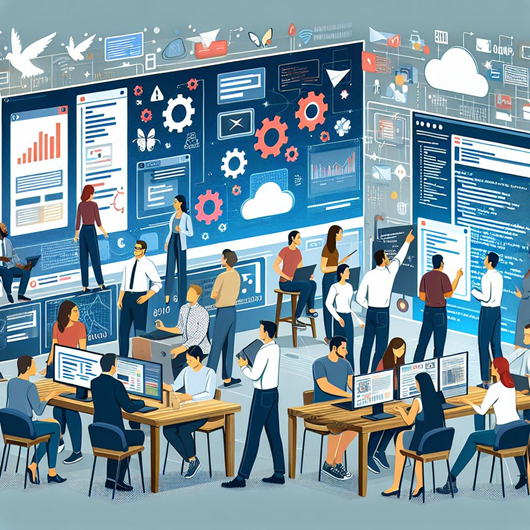
1. Cultural Resistance: Navigating the Human Element
One of the most significant challenges in digital transformation is overcoming cultural resistance. Employees, accustomed to traditional ways of working, may be hesitant to embrace new technologies and processes. This resistance often stems from a fear of the unknown, concerns about job displacement, or simply the discomfort of change.
Solution: Successful digital transformation starts with strong leadership. Leaders should communicate the vision and benefits of digital transformation clearly to employees, addressing concerns and involving them in the process. Providing training, support, and creating a culture of collaboration can also help ease the transition.
2. Skill Gaps: Bridging the Talent Divide
As organizations adopt new technologies, they often face a shortage of skilled professionals capable of handling the complexities of digital tools such as artificial intelligence, machine learning, data analytics, and cloud computing. This gap in expertise can slow down the transformation process and limit the full potential of digital initiatives.
Solution: To address skill gaps, organizations should invest in employee training and development. Offering upskilling programs and partnering with educational institutions to create a pipeline of digital talent can help ensure that employees are equipped with the necessary skills. Additionally, organizations may consider hiring specialists or working with external consultants for expertise.
3. Integration of Legacy Systems: The Tech Dilemma
Many businesses rely on legacy systems that are not compatible with modern digital tools. Integrating these outdated systems with new technologies can be complex, costly, and time-consuming. Furthermore, organizations may struggle with data migration, system downtime, and ensuring business continuity during the integration process.
Solution: A clear strategy for system integration is critical. Businesses should assess their existing IT infrastructure and prioritize systems that need modernization. Phased implementation can help minimize disruption while ensuring compatibility between old and new systems. It’s also important to work with experienced IT professionals to ensure a smooth transition.
14 January 2025
14 January 2025